When we were kids, cleanliness had a smell. If it was strong, pungent, and filled the bathroom with a chlorine smell, we were relieved: everything was fine. But modern research tells us something completely different about what's actually happening in our homes—and in our bodies.
Let's start with the first number: 30% .
According to the European Chemicals Agency, more than thirty percent of the chemicals used in household cleaning products are irritants or allergens. These are not industrial chemicals, but ingredients that we encounter every day when cleaning. On our skin, through our respiratory tract, without noticing.

The second number is even more surprising: 6,000 .
A long-term Norwegian study conducted by the University of Bergen followed the health of this many people for twenty years. According to the results, those who regularly used traditional cleaning products had a deterioration in lung function equivalent to smoking 20 cigarettes a day. This is not a one-time exposure, but an effect that accumulates over years.
And here comes the third number: 2–5 times .
According to the American Lung Association, indoor air can be that much more polluted than outdoor air. One of the main reasons for this isn't dust or urban environments, but rather volatile organic compounds released from cleaning products. These chemicals can linger in the air for hours after a single cleaning, even after your home has been feeling "fresh."
The fourth number is not a percentage, but a dose: very low .
According to a review of studies by the Endocrine Society, certain fragrances and preservatives commonly found in cleaning products can act as endocrine disruptors, meaning they can disrupt the functioning of the hormone system even in small amounts. This does not manifest itself in immediate symptoms, but as a slow, continuous load that you may not even notice for a long time.

The fifth number is perhaps the most human: 1 .
According to the Harvard School of Public Health, replacing just one frequently used cleaning product can measurably reduce the chemical load of indoor air. You don't have to throw everything away, you don't have to be perfect overnight. Even one decision matters.
And finally, the sixth number: 0 .
This is how much chlorine smell you need to make your home truly clean. Cleanliness does not mean a pungent smell, and just because it is unpleasant does not mean it is effective. In a modern, conscious home, clean means safe. For the air, for your skin, for your everyday life.
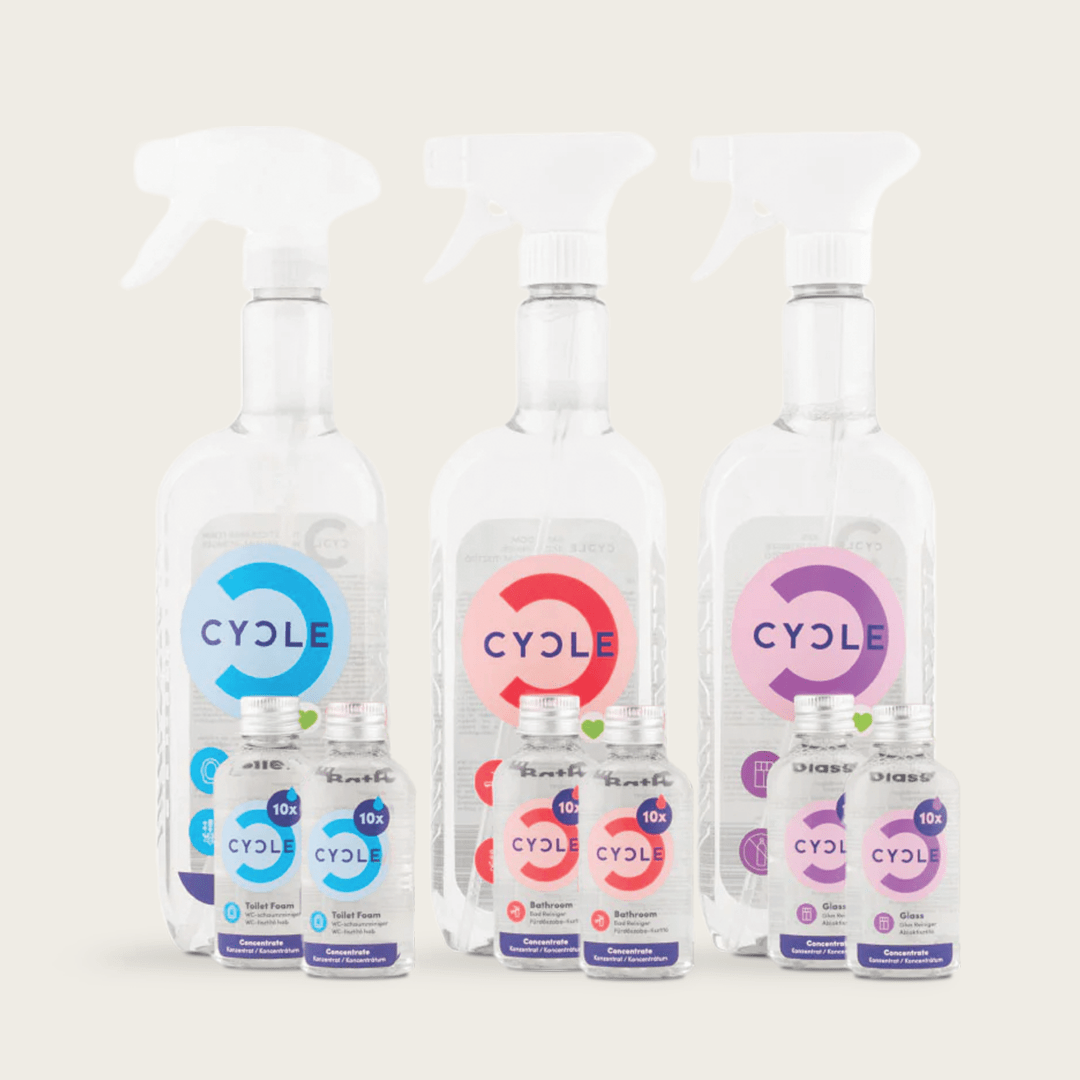
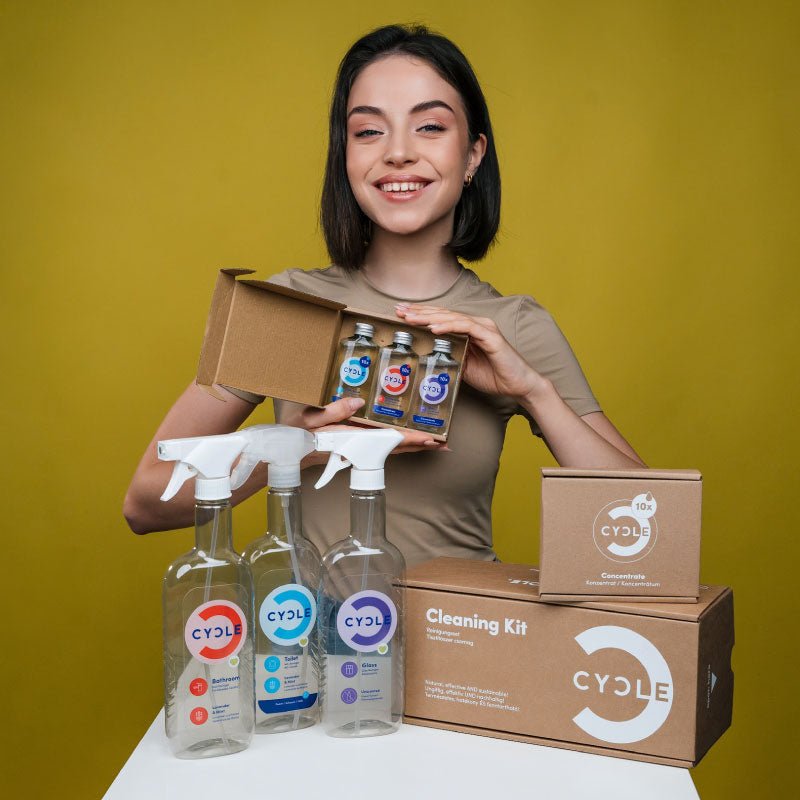
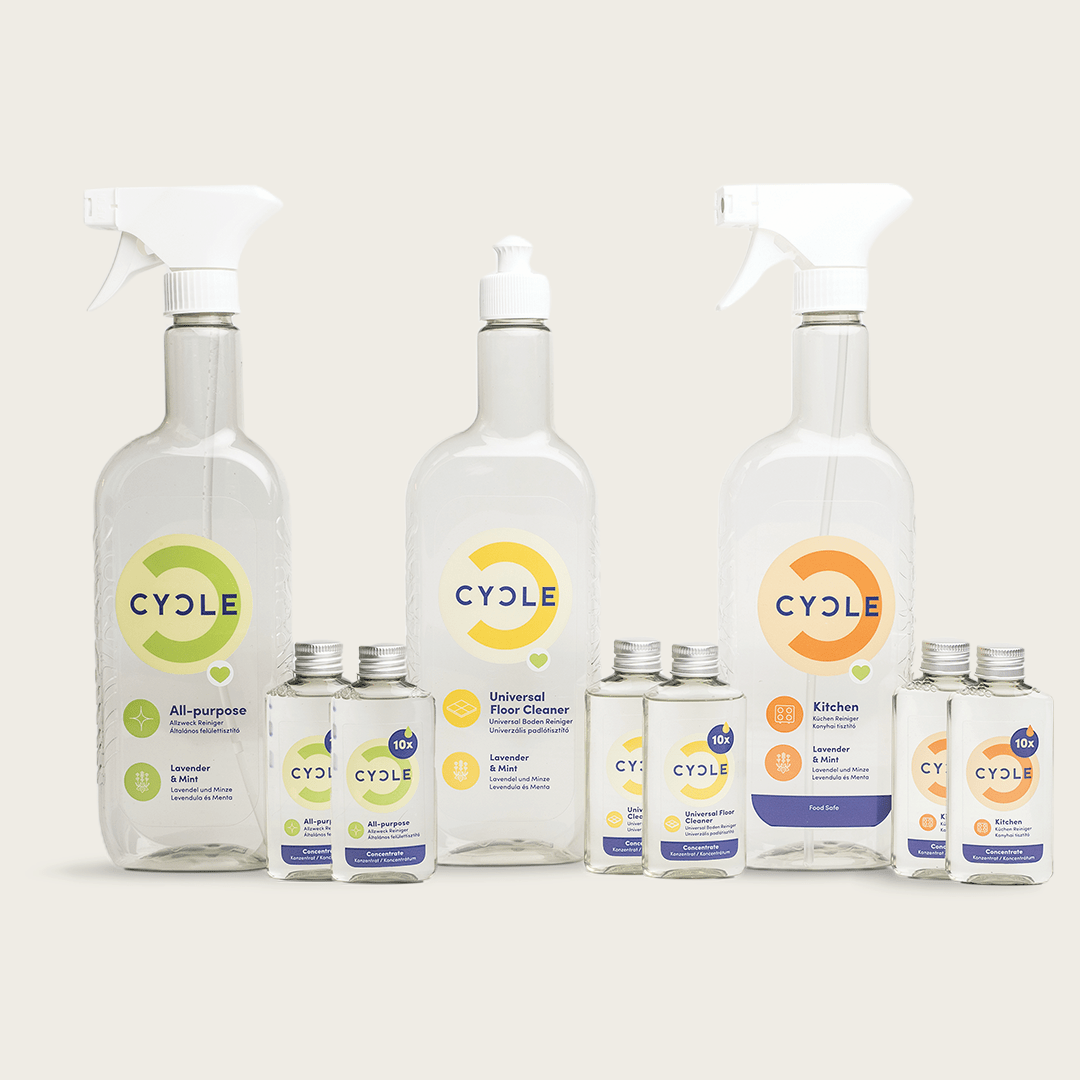
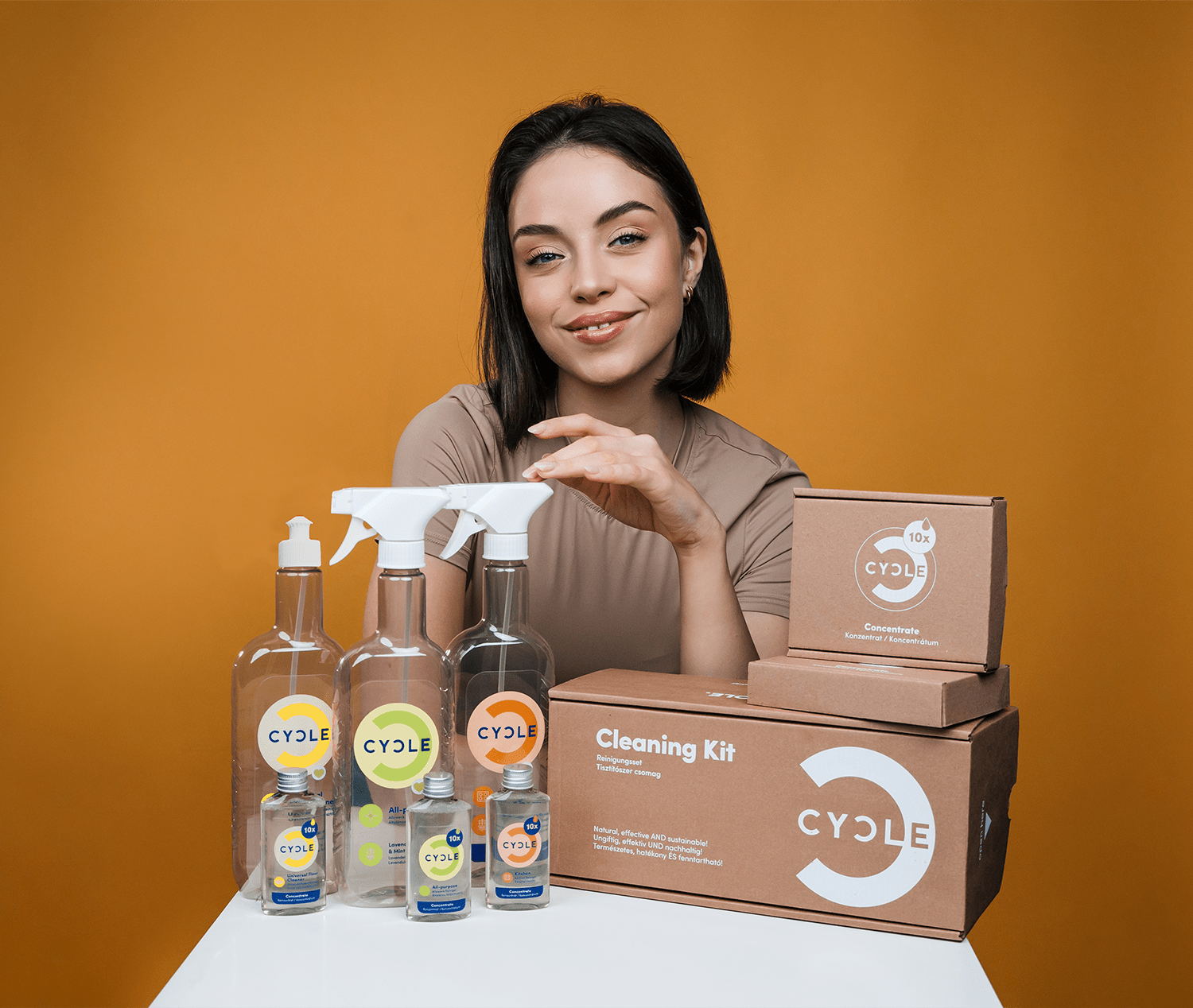
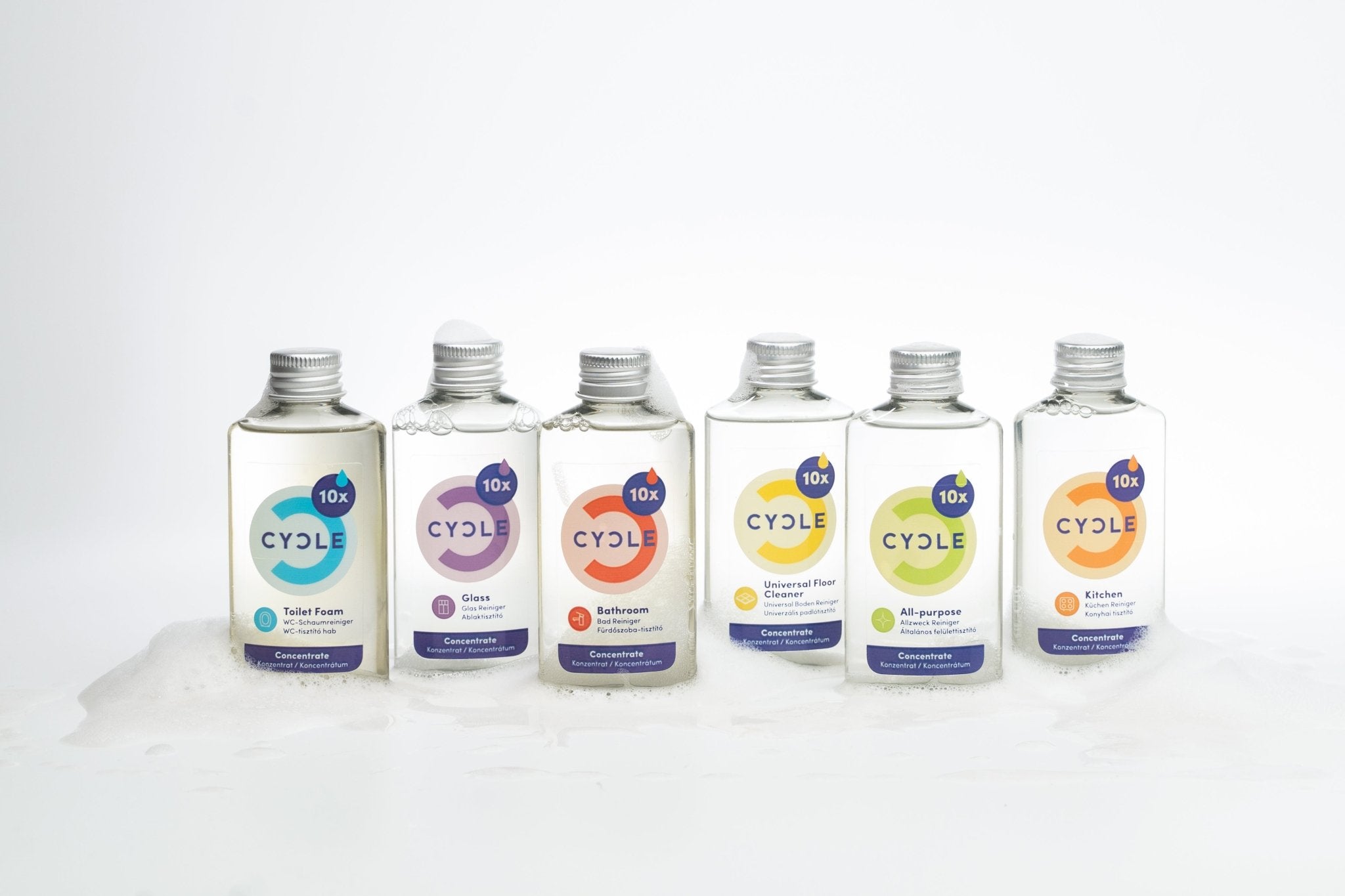
Cycle is built on this realization. Not to appear more powerful, but to ensure that cleaning does not pose hidden risks. So that efficiency does not come with unnecessary chemical exposure, and you do not have to choose between shiny surfaces and well-being.
A clean home doesn't start with the smell of chlorine. It starts with looking at the numbers differently - and making different decisions based on them. 💚