Walk into any household goods store, and you'll find it on bottles, sprays, and detergents: hypoallergenic. It sounds like a promise – milder, safer, gentler. But there's an unpleasant truth: in most countries, including the EU, "hypoallergenic" is an unregulated term. No independent body verifies its contents. A brand can simply put this label on because it believes its product is less likely to cause an allergic reaction than others – even if it contains known irritants.
If you have sensitive skin, allergies, asthma, or a home with a baby – this is indeed a problem. Especially now, in the middle of pollen season, when your immune system is already working at full capacity.
Let's take a closer look. What does hypoallergenic actually mean? What should you look out for? And how do you distinguish honest claims from clever marketing?
The Problem with "Hypoallergenic" as a Marketing Term
The prefix hypo- means "less than." Hypoallergenic literally means "less allergenic." But less than what? This is where it gets confusing.
There is no official allergen threshold that a cleaning product must meet to call itself hypoallergenic. There is no prescribed testing protocol, no certifying body, no ingredient blacklist. A product can still contain fragrances, preservatives, and surfactants known to cause reactions – and still legally call itself hypoallergenic if the brand decides its formulation is "milder" than the one on the shelf next door.
This is why dermatologists and allergists often roll their eyes at the label. It's a guiding statement, not a guarantee. The only reliable way to know if a cleaner is truly safe for sensitive individuals is to read the ingredient list.
What Actually Causes Reactions in Cleaning Products?
When someone reacts poorly to a cleaning product, it's usually due to one of these four culprits:
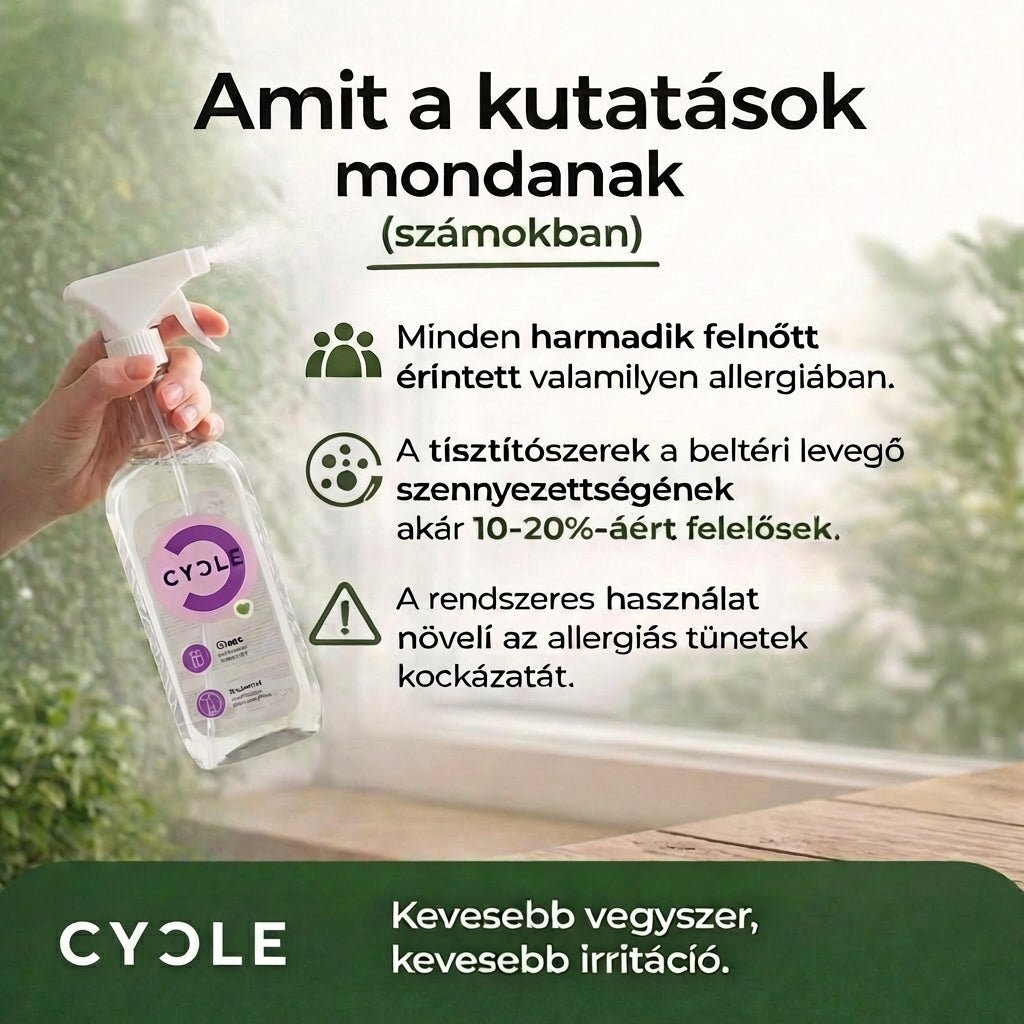
Synthetic fragrances. The biggest offender. "Parfum" or "fragrance" can hide dozens of undisclosed chemicals, many of which are known sensitizers. Even "lightly scented" products can trigger symptoms in asthmatics, eczema sufferers, or seasonal allergy sufferers.
Preservatives, such as methylisothiazolinone (MIT) and benzisothiazolinone (BIT). These extend shelf life and are one of the most common causes of contact dermatitis in Europe. They are allowed in many "hypoallergenic" products, even though they are well-documented irritants.
Aggressive surfactants. Ingredients like SLS (sodium lauryl sulfate) and SLES break down the skin's protective barrier – bad news for anyone with eczema or skin already irritated by pollen.
Volatile Organic Compounds (VOCs). Released from sprays and aerosols, they linger in indoor air long after cleaning. They irritate the respiratory tract, only adding to the misery of hay fever season.
If a "hypoallergenic" cleaner contains any of these, the label does more for the brand than for you.
What to Look For – and How CYCLE Approaches This
A truly hypoallergenic cleaner is defined as much by what it leaves out as by what it contains. Here's a practical checklist:
- Fragrance-free, or scented exclusively with cold-pressed essential oils at clearly stated concentrations
- Free from MIT, BIT, and other isothiazolinone preservatives
- No SLS, SLES, or other sulfate-based surfactants – gentler, plant-based or yeast-derived alternatives exist
- Full ingredient transparency – every ingredient listed by name, not hidden under generic categories like "surfactants" or "parfum"
- Independent certifications, where possible – Leaping Bunny, Ecocert, or similar
- Low VOC formulation, which protects indoor air quality
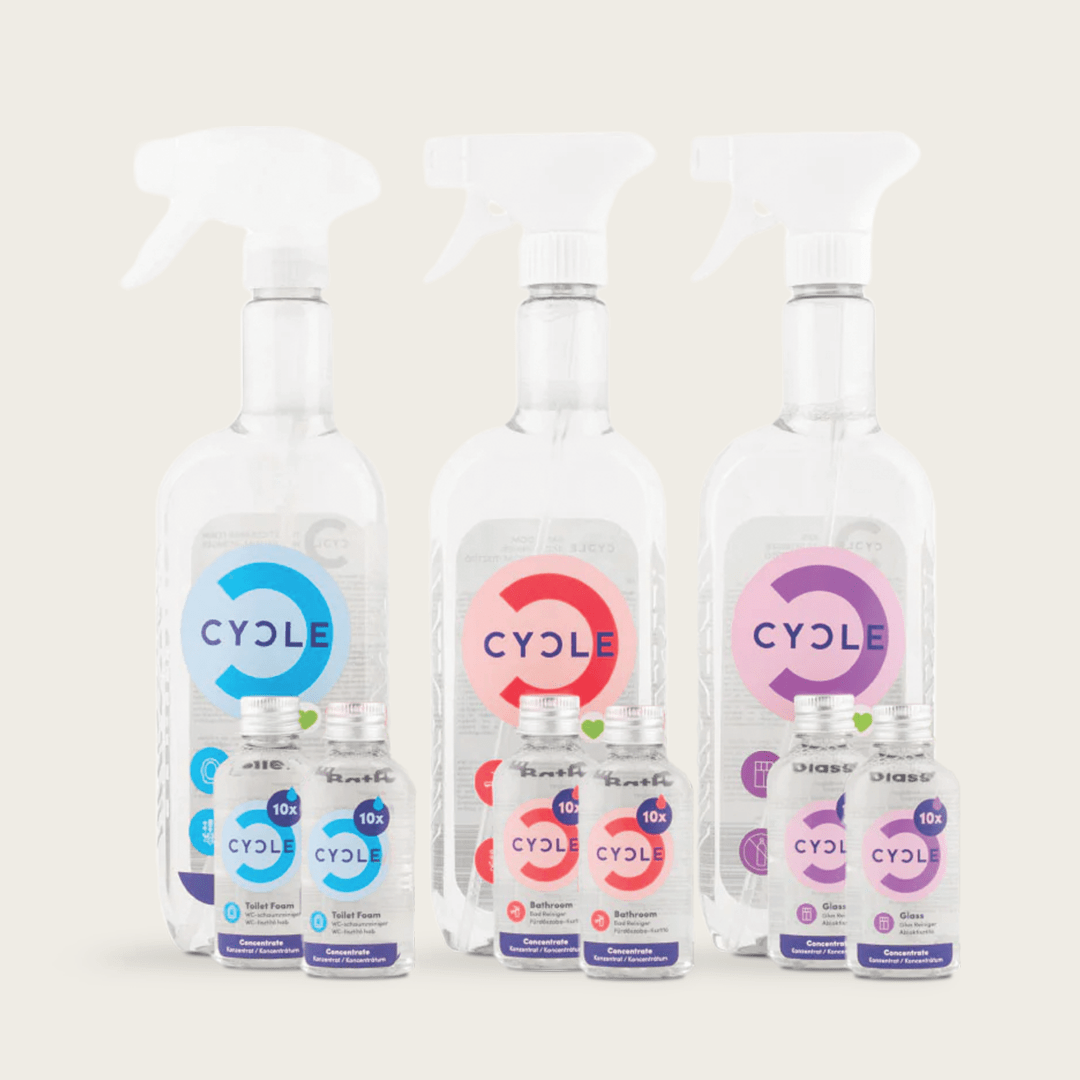
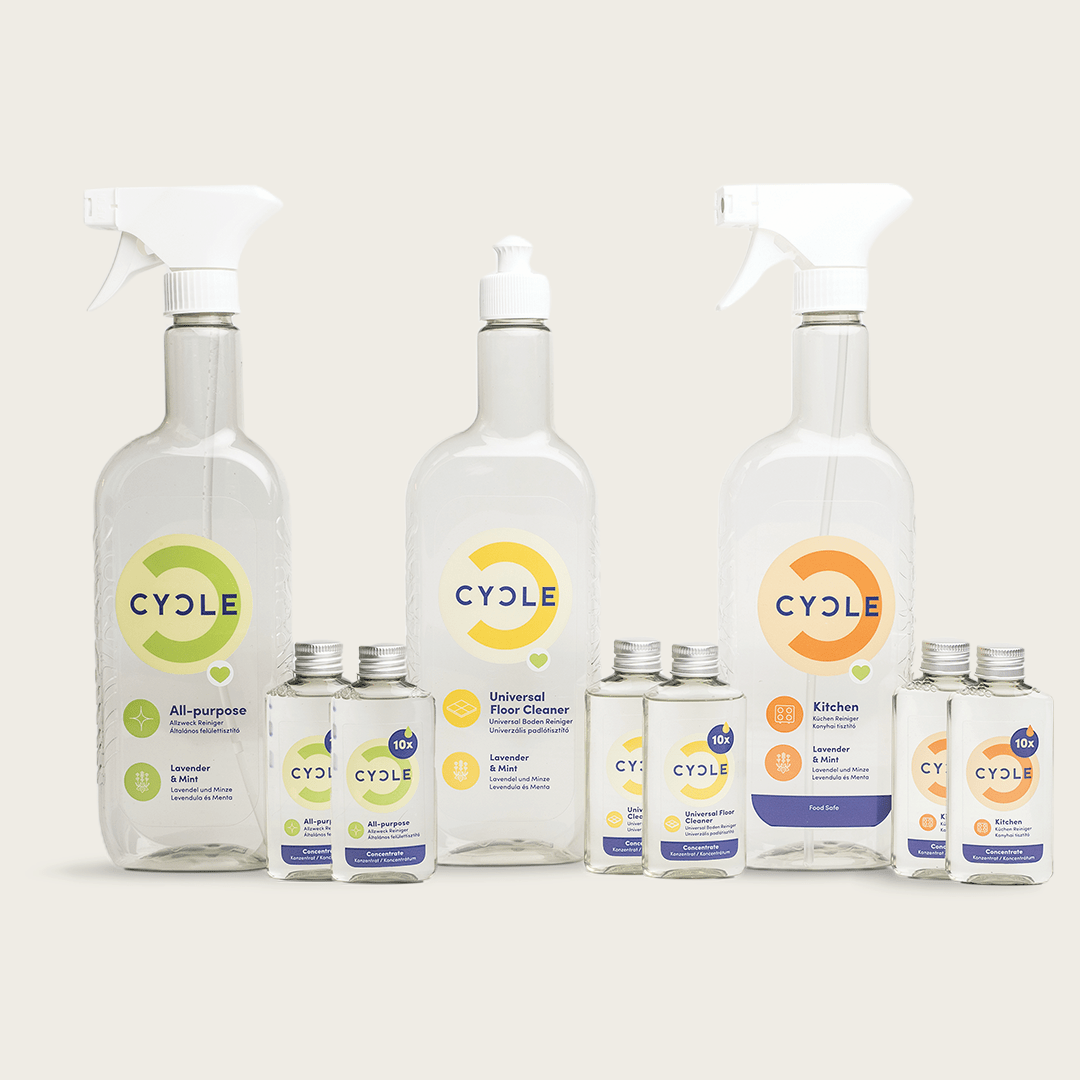
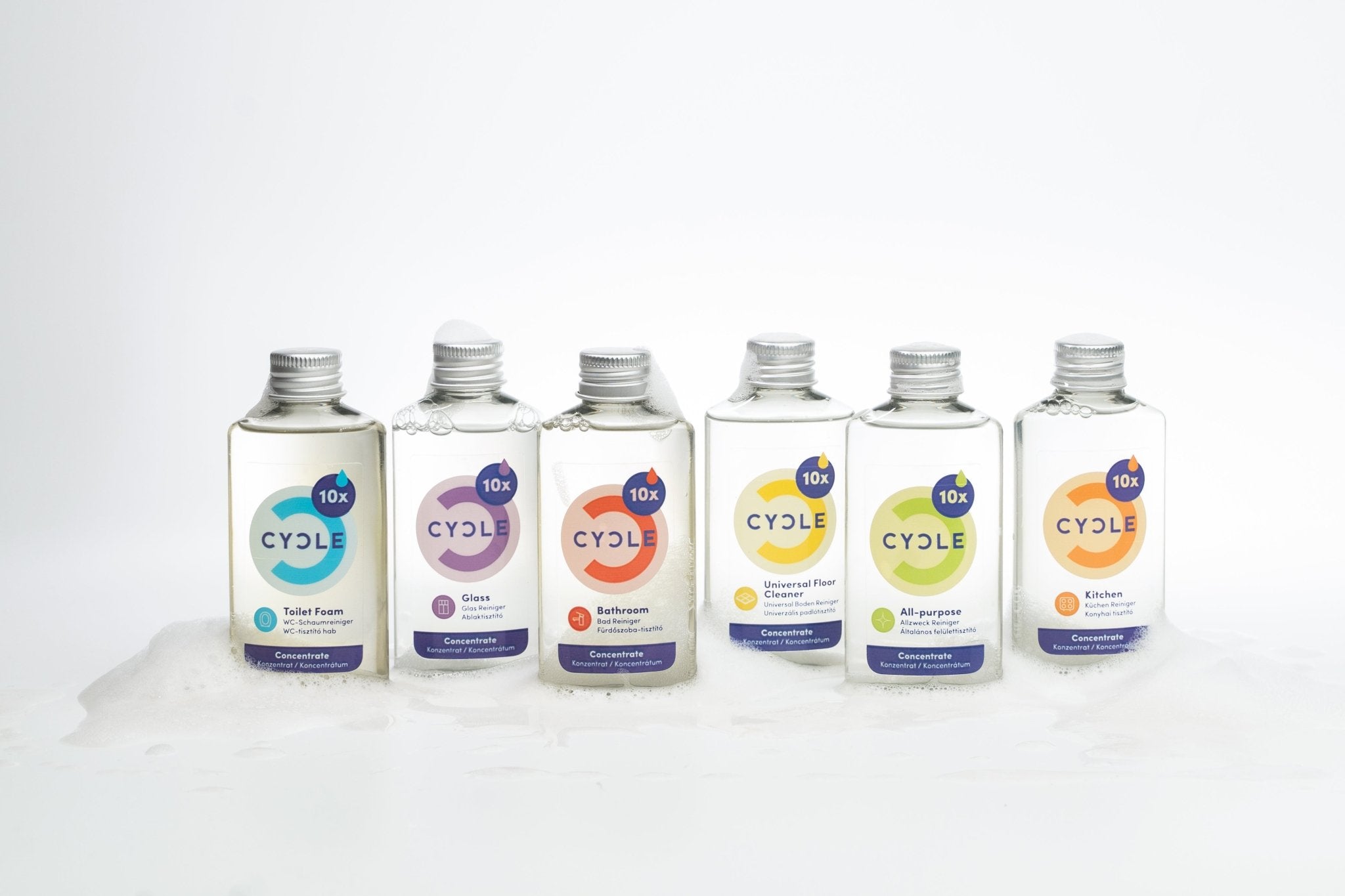
At CYCLE, we built our hypoallergenic product line precisely on this principle of "omission." In our formulations, we use yeast-derived surfactants (sophorolipids) instead of aggressive sulfates. We do not use any synthetic fragrances. Our preservation system avoids isothiazolinones. And every single ingredient is listed on the label and our website – in understandable Hungarian.
This is what "hypoallergenic" should mean. Not a marketing ploy – but discipline.
Why is This Important Now?
Pollen concentrations in Hungary and Central Europe are currently heading towards their May peak. If you suffer from seasonal allergies, you know exactly what it feels like: itchy eyes, a blocked nose, skin that reacts to everything. The last thing your body needs is more irritants – yet that's exactly what conventional cleaning products add to the air, the surfaces you touch, and the clothes you wear.
Switching to a truly hypoallergenic cleaning routine is not a luxury during pollen season. It's a way to give your immune system one less battle to fight at home.
Start small: first replace the product you use most often. For most people, this is the all-purpose surface cleaner spray or laundry detergent. Use it for a week and pay attention. Most people who switch say the same thing – they had no idea how much the old cleaner bothered them until they stopped using it.
Ready to make the switch? Browse our hypoallergenic product line – between May 15th and 19th, all products are 15% off. Your nose, skin, and lungs will thank you.