If you sneeze, your eyes itch, and your throat is scratchy in spring, you almost automatically blame pollen. Logical. Everyone says so. Already today, every third adult is affected by some allergy, so it matters what environment we live in day by day.
But there's a less comfortable truth: it might not be nature that's truly irritating you. But what you spray around your own home every day.
Indoor air is often more polluted than outdoor air. And in spring, when we clean, scent, and "freshen up" more, this only intensifies. And here's the twist.
What can worsen allergy symptoms in your home?
- strong-scented cleaning products that irritate the respiratory tract when inhaled
- spray-format products that remain in the air as fine particles
- air fresheners that don't clean, only mask odors
- too frequent, too aggressive disinfection
- mixing chemicals (yes, many people do it, not a good idea)
- the misconception that "clean" = strong scent
The problem is, these are not obvious. You don't see them. But you breathe them in. And when your body is already under stress (pollen, dust, stress), every extra irritation matters.
What the research says (in numbers)
According to research, volatile organic compounds (VOCs) from household cleaning products are responsible for up to 10-20% of indoor air pollution. During the use of a single cleaning product, hundreds of different compounds can be released into the air that we breathe.
Regular use can increase the risk of asthmatic and allergic symptoms, especially in the long term. It is no coincidence that, according to some studies, indoor air can be more polluted than outdoor air, partly due to household products.
In this situation, every extra burden counts – even the ones we don't see.
"Clean home" doesn't mean what you think it means
For a long time, we were taught that cleanliness equals disinfection and strong scent.
But this is more marketing than reality.
A truly clean home:
- does not pollute the air
- does not irritate
- leaves no "invisible traces"
Cleanliness isn't clean because you smell it. It's clean because it doesn't harm.
What can you do to reduce the burden?
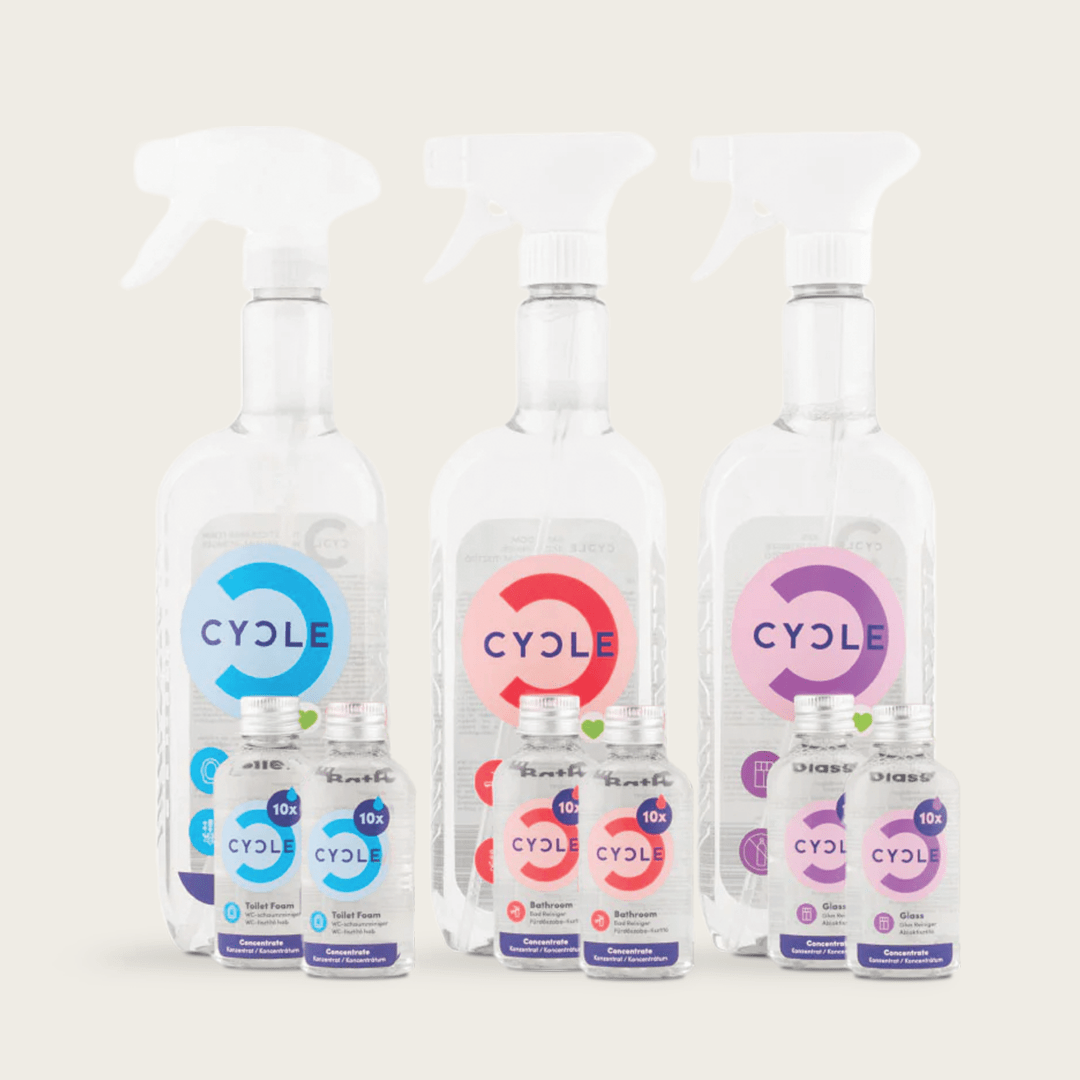
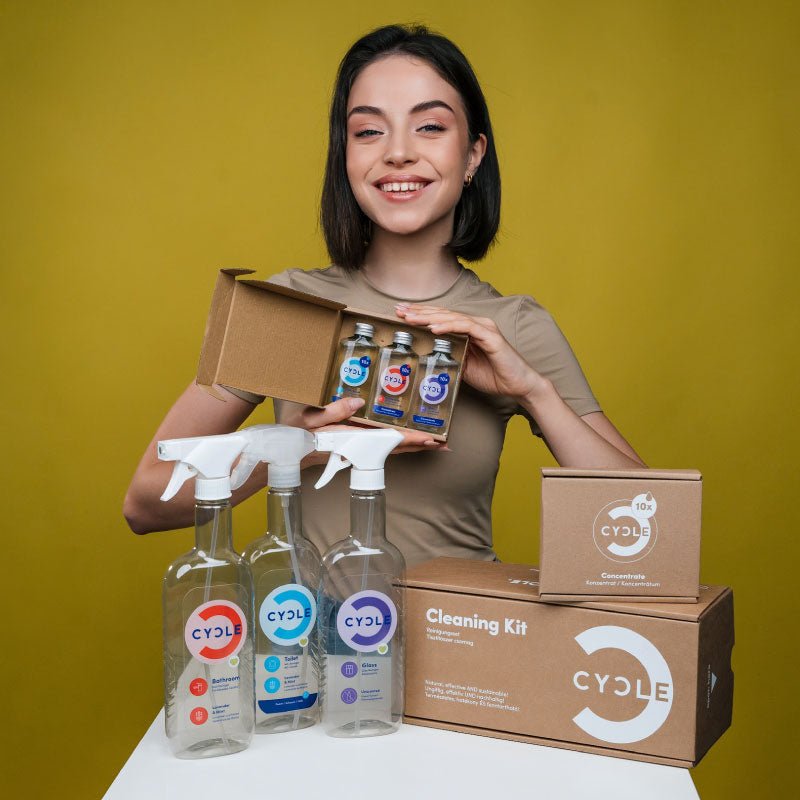
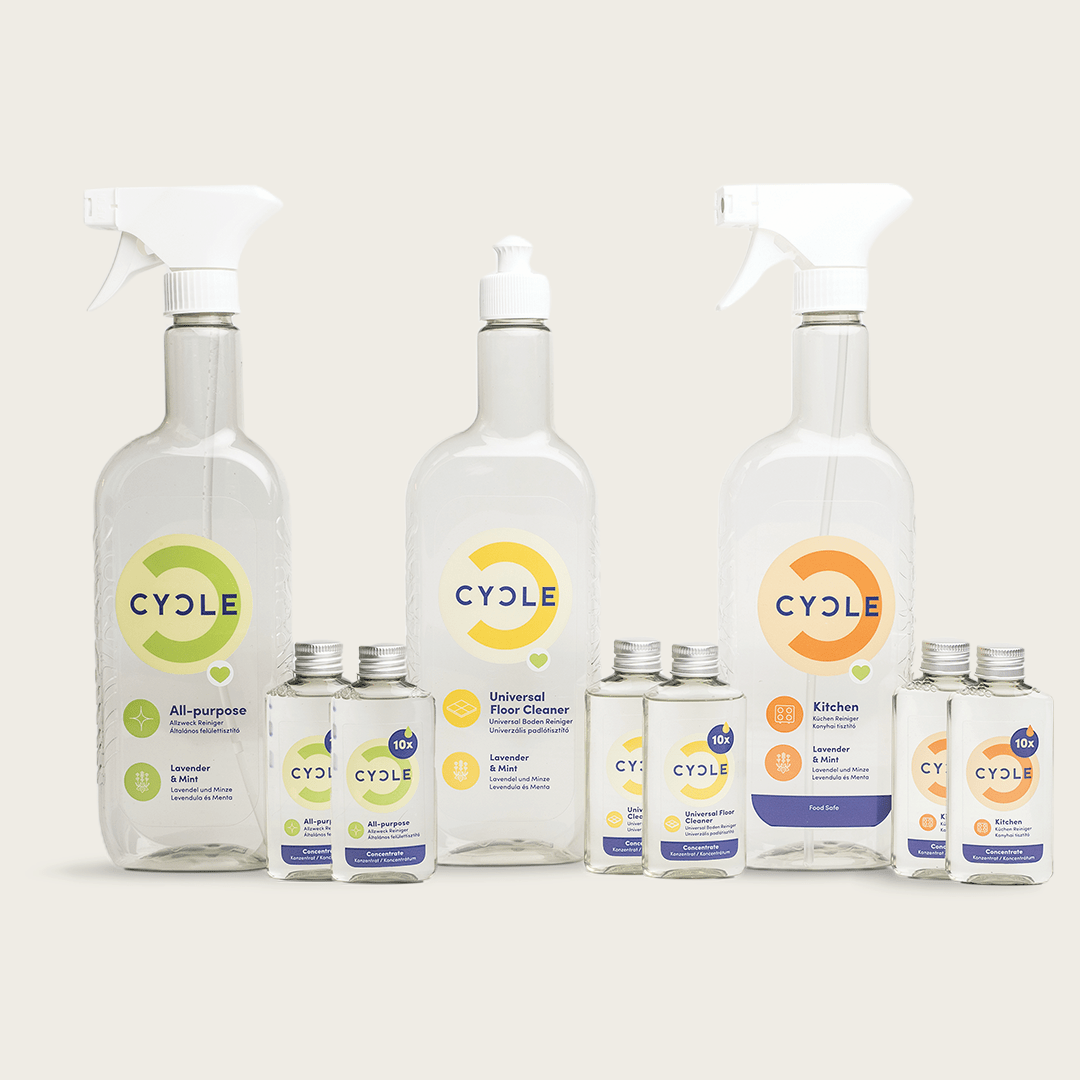
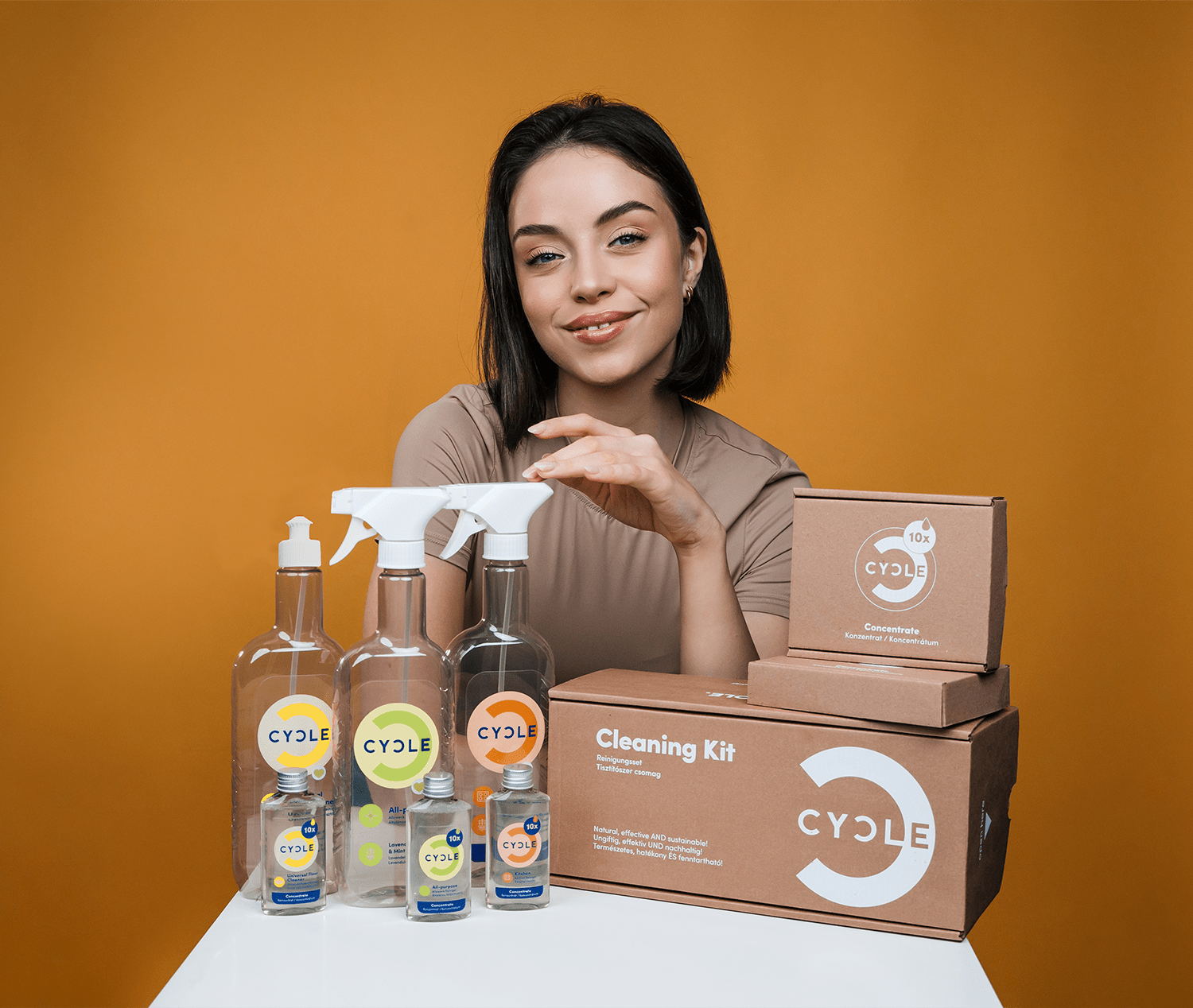
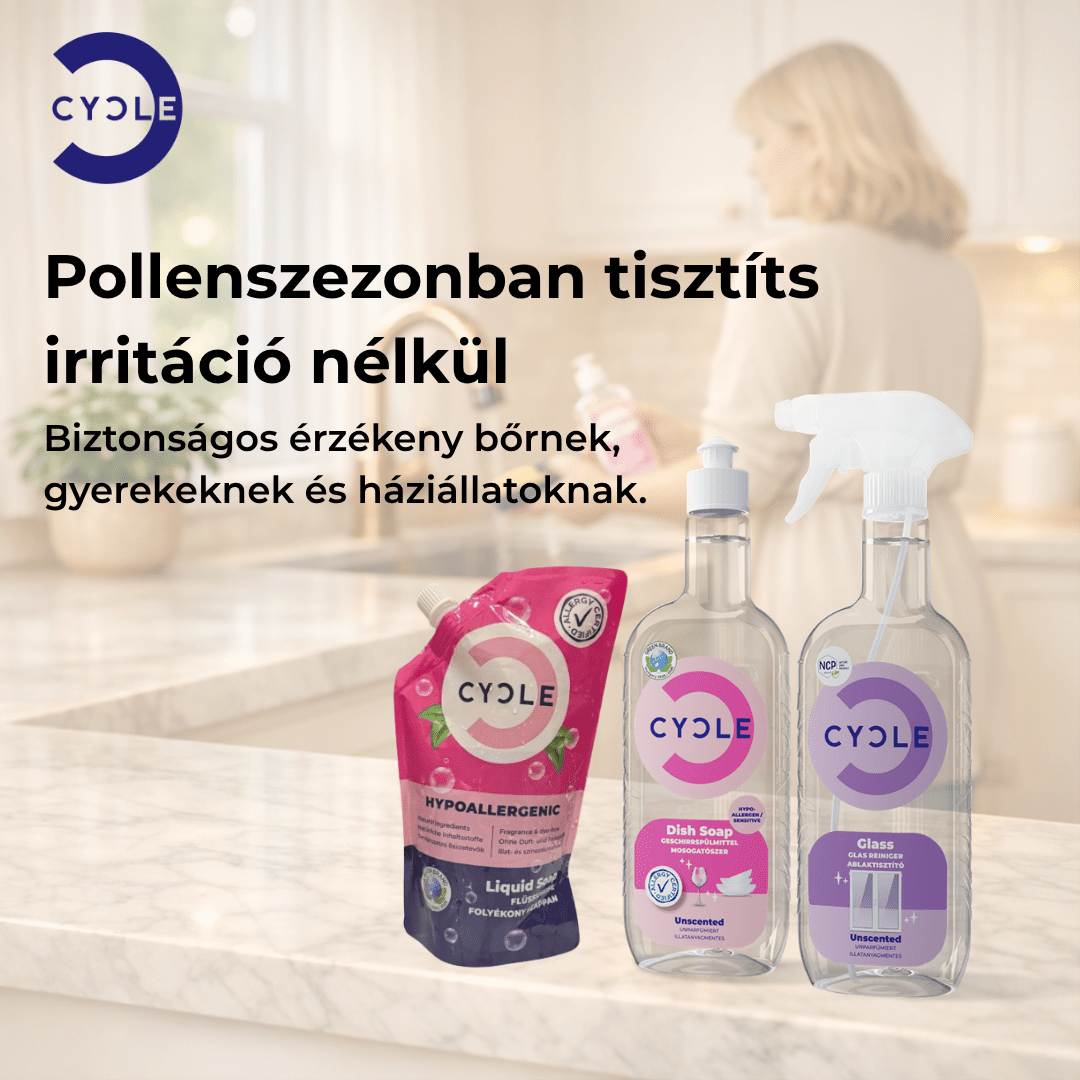
- choose simpler cleaning products with transparent ingredients (Cycle is one of them)
- avoid overly strong fragrances
- minimize the use of sprays
- do not mix different chemicals
- ventilate regularly (yes, even during pollen season, smartly)
- rethink what "clean" means to you
The point is not to clean less. But to clean differently.
It might not be nature attacking you in spring. But what you bring into your home. And if you change that, perhaps not only the surfaces will be cleaner.
But also the air you breathe every day.