Why is everyone talking about natural dishwashing sponges?
You may have noticed that more and more people are replacing their plastic, lemon-yellow dish sponges with natural alternatives. And not (just) because they're "greener."
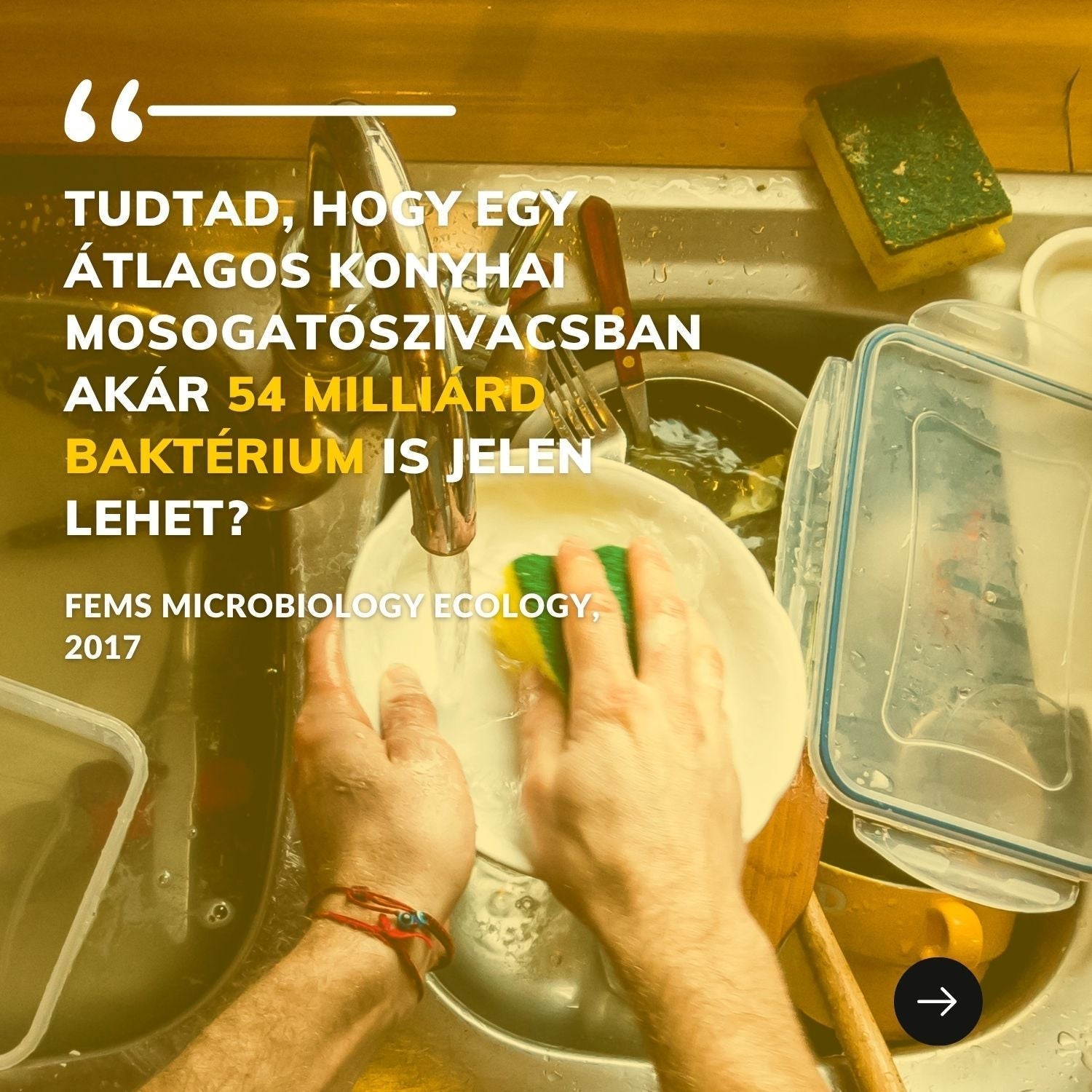
The reason is simple: it works better, lasts longer, and doesn’t create microplastics. It’s even good for your health. A 2017 study found that the average kitchen sponge can harbor up to 54 billion bacteria (FEMS Microbiology Ecology, 2017). And yes — that’s more than a toilet seat. But that’s just the tip of the iceberg.
Every time you use a plastic sponge , it releases microplastics into the water , which end up in your sewers, waterways, the food chain — and ultimately your body. According to a recent EU study, plastic sponges are a significant source of microplastics in households (EU Microplastics Report, 2023).
And now comes the part that is less talked about:
If you have a weakened immune system — such as someone with cancer during or after chemotherapy — it’s even more important to reduce your exposure to toxins and microplastics in your home. This isn’t fear mongering — it’s simple prevention and common sense.
What's really wrong with plastic dishwashing sponges?
The classic “sponge + green scrub” setup has been with us for decades — but that doesn't make it any better.
1. Microplastics on your plate, in your food, and ultimately in your body
The plastic sponge material breaks down into small particles during use.
These microplastics are:
-
they fall into the water
-
they enter rivers and seas through the drain
-
living things eat them
-
and you eat with them
A 2022 study found that household dishwashing sponges are one of the largest sources of microplastics in the home environment (ScienceDirect, 2022). In short, every time you wash dishes, you leave a mark on the planet — and on yourself.
2. It quickly stinks and becomes a breeding ground for bacteria
You know that moment when you grab the sponge and feel… “hmm, something’s not right”?
The plastic sponge:
-
absorbs grease and dirt
-
keeps moisture in
-
creates an ideal environment for bacteria
According to the aforementioned study (FEMS Microbiology Ecology, 2017), kitchen sponges are one of the most contaminated items in the household .
3. Its environmental footprint is huge
The average household throws away 12–24 plastic sponges per year, and they don't biodegrade .
If every Hungarian household used just 6 fewer plastic sponges per year, it would save the environment from more than 50 million pieces of plastic sponges in 10 years.
Why is a natural dish sponge good for you, personally?
Important: it's not only good for the planet — it's also more comfortable and hygienic for you.
These 3 changes are the most tangible benefits:
✔ Doesn't stink as quickly
✔ Lasts longer, needs to be replaced less often
✔ Feels better to use (really — you'll feel it after 2-3 washes)
That's why many people say:
“Once you try it, there’s no going back to plastic.”
Would you like to switch to an alternative option, but don't know which one to buy?
You don't have to start with three types of tools.
Start with what makes the biggest difference for you:
👉 Faster dishwashing? → Coconut fiber brush
👉 A natural, compostable solution? → Sewn loofah
👉 Are you fighting stubborn dirt? → Copper sponge

If you want to simplify the switch. Click and choose what works for you:
https://cycle.bio/collections/extra-kiegeszitok