Lifestyle plays a key role in maintaining hormonal balance and fertility. To achieve this, you should optimize your diet, use of dietary supplements, exercise, sleep, and stress management, but you should also not ignore the reduction of endocrine disruptors.
We come into contact with over 100 chemicals every day, just think about how many cosmetics and toiletries you use every day, drink bottled water, cook in non-stick pans, and perfume almost everything, not only yourself, but also your home, office, and even your car! Few people know that endocrine disruptors are hidden in all of these. These substances are not necessarily visible, they can be felt, which is exactly what makes them so dangerous. They can easily enter your body if you come into physical contact with them: you inhale them, consume them, or they are absorbed through your skin.
Let's take a closer look at what endocrine disruptors are.
In short, invisible compounds, so-called hormone-modulating substances, that disrupt the functioning of your hormonal system, interfere with the functioning of your hormone-producing organs, as they can mimic or block the effect of your hormones. These substances are widely found in various everyday objects, furniture, clothing, food, household and cleaning products, as well as cosmetics and makeup products.
These chemicals are extremely harmful to women's and men's health in general, but especially to the menstrual cycle, ovulation and sperm production, the quality of gametes, and therefore fertility. More and more research supports that these compounds contribute to fertility difficulties and increase the failure rate of IVF treatments. It is no coincidence that some infertility centers are already making recommendations to this effect.
Let's see which products you should replace first:
1. Cosmetics and makeup products
· choose paraben- and phthalate-free products
· have a cleaner routine with fewer items (the INCI list is a great help)
· avoid products labeled "fragrance/parfume"
2. Plastic food containers and bottles: certain compounds from plastic can leach into food or drinks, especially under the influence of heat and prolonged storage.
Choose instead:
· glass bottle, stainless steel water bottle
· glass or stainless steel food container
· silicone instead of plastic
3. Teflon and other non-stick coated pots and pans - safer alternatives:
· cast iron
stainless steel
· ceramic coated
4. Cleaning and household products: cleanliness is a good thing, but it doesn't matter at what price.
Minimalist but effective solutions:
vinegar + water
· baking soda
· essential oil (from a quality, pure source)
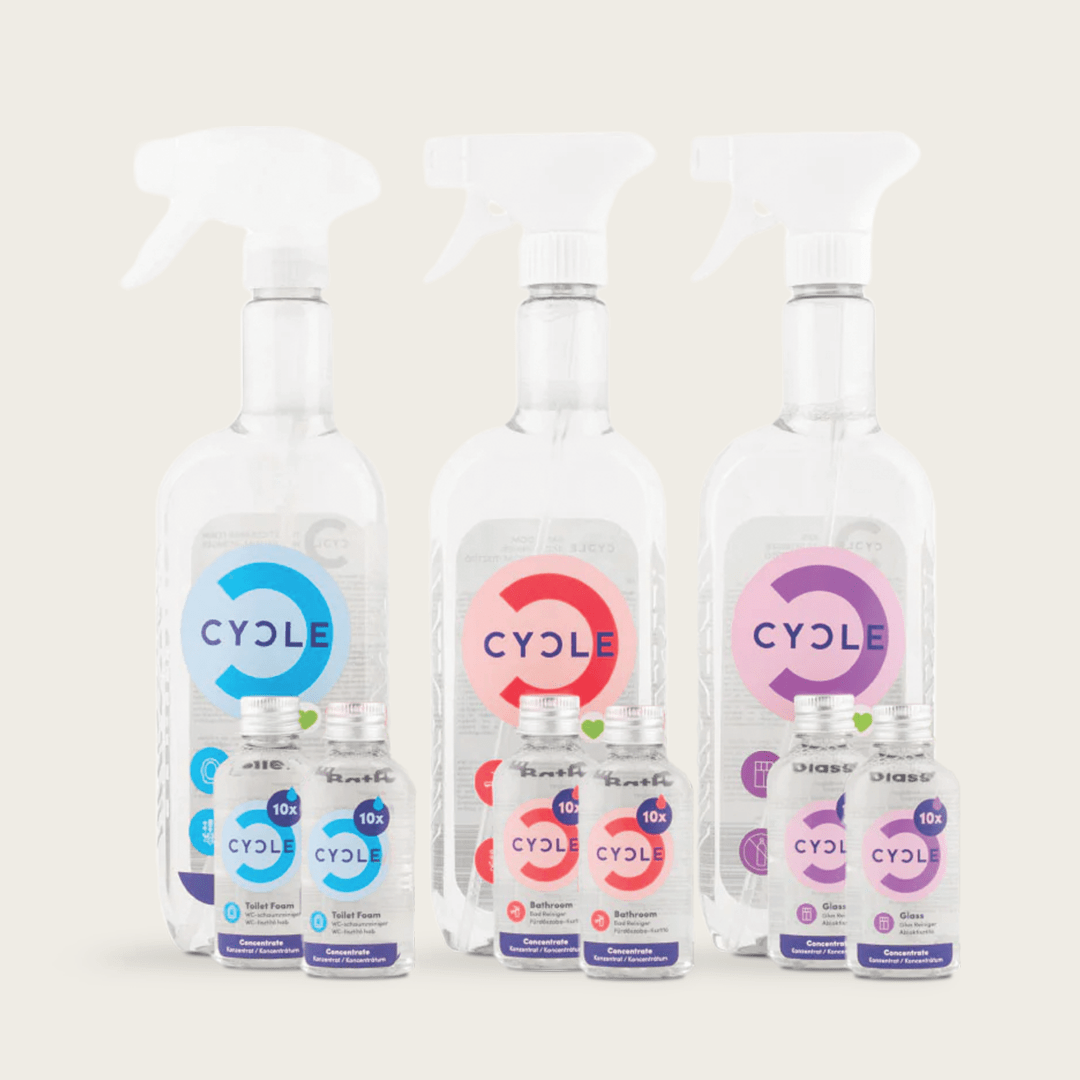
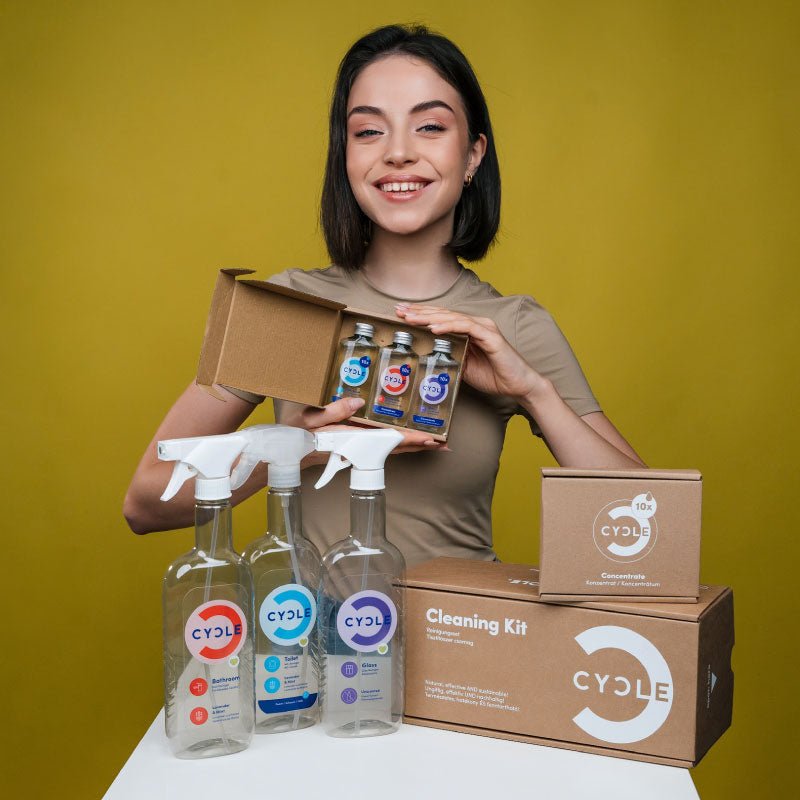
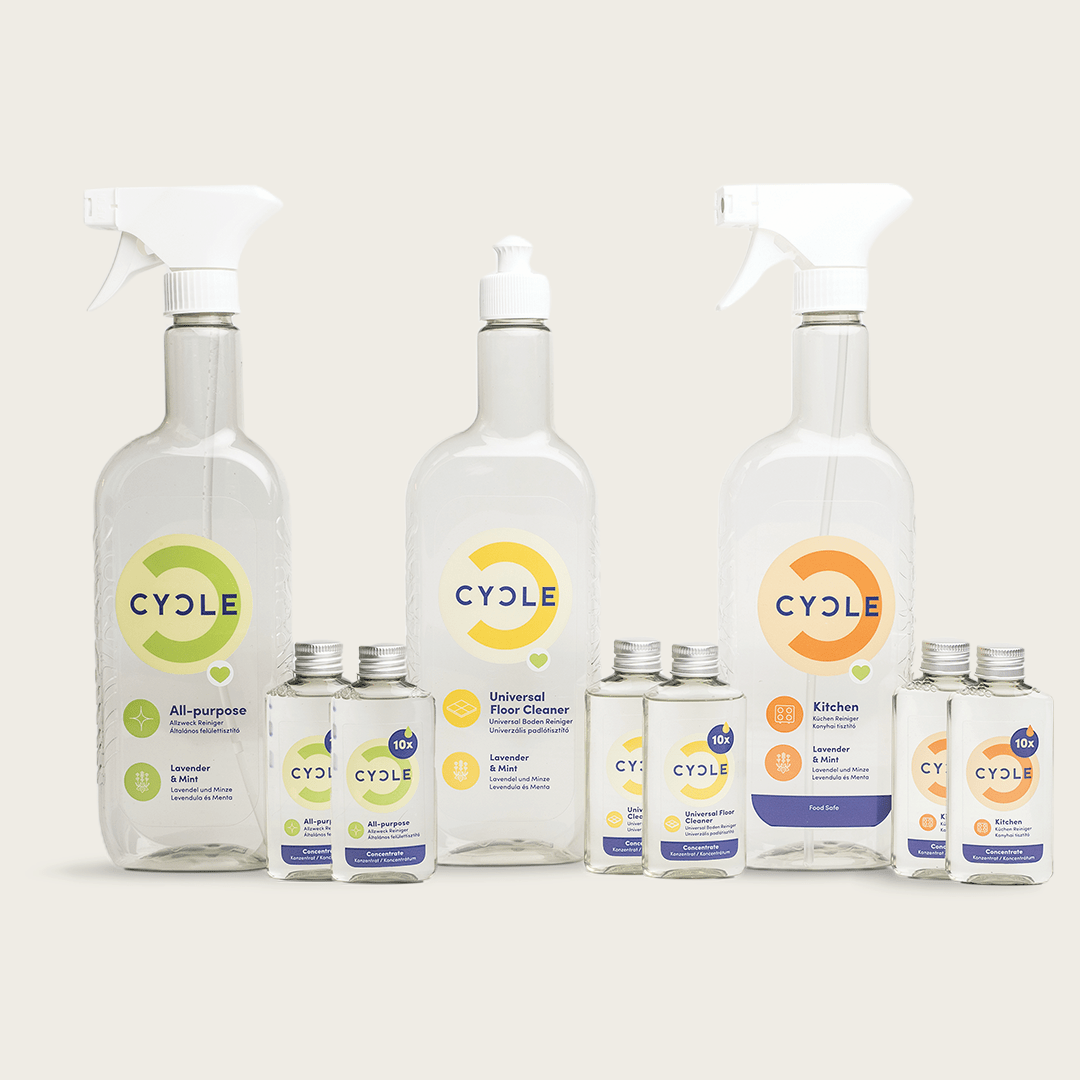
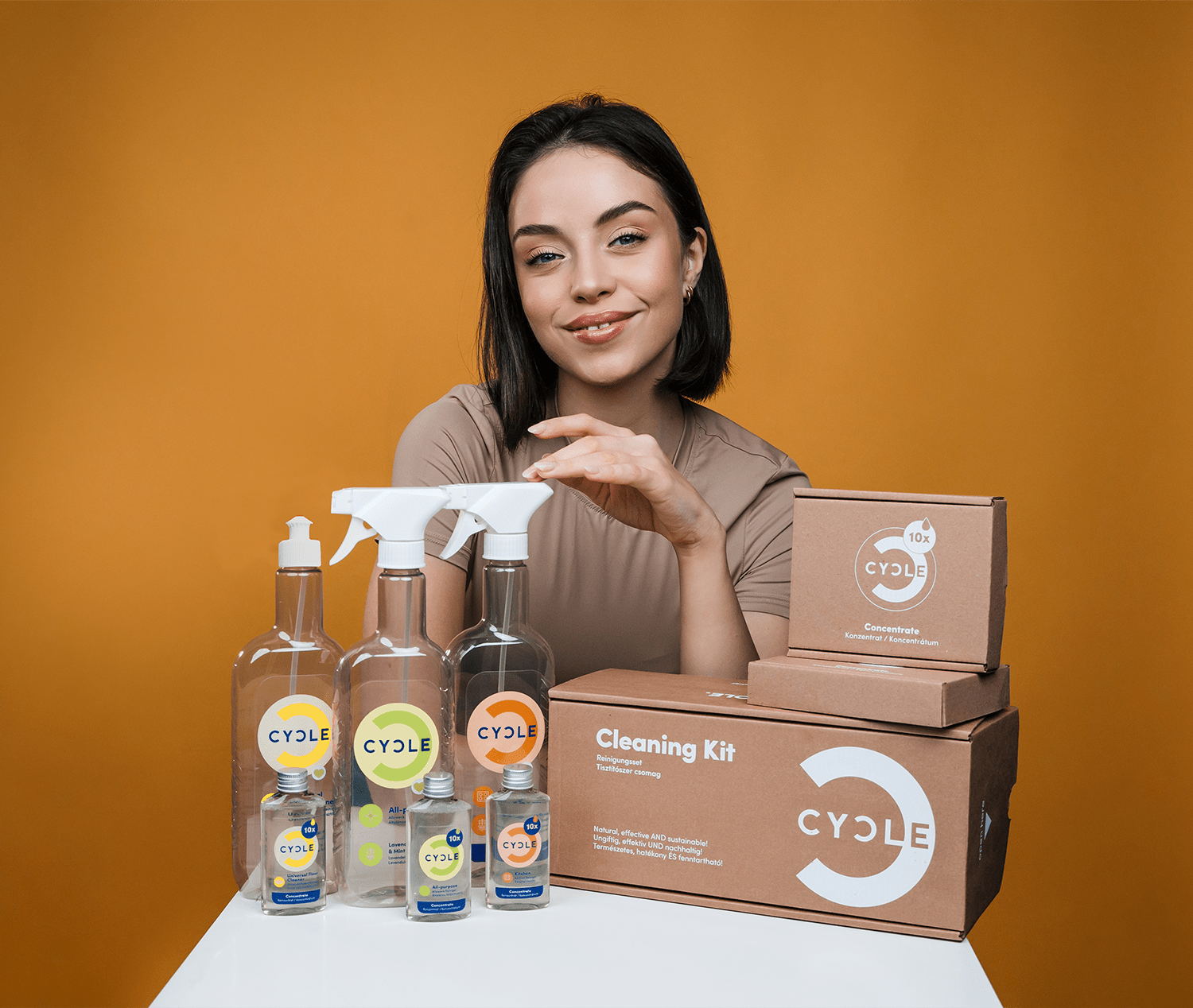
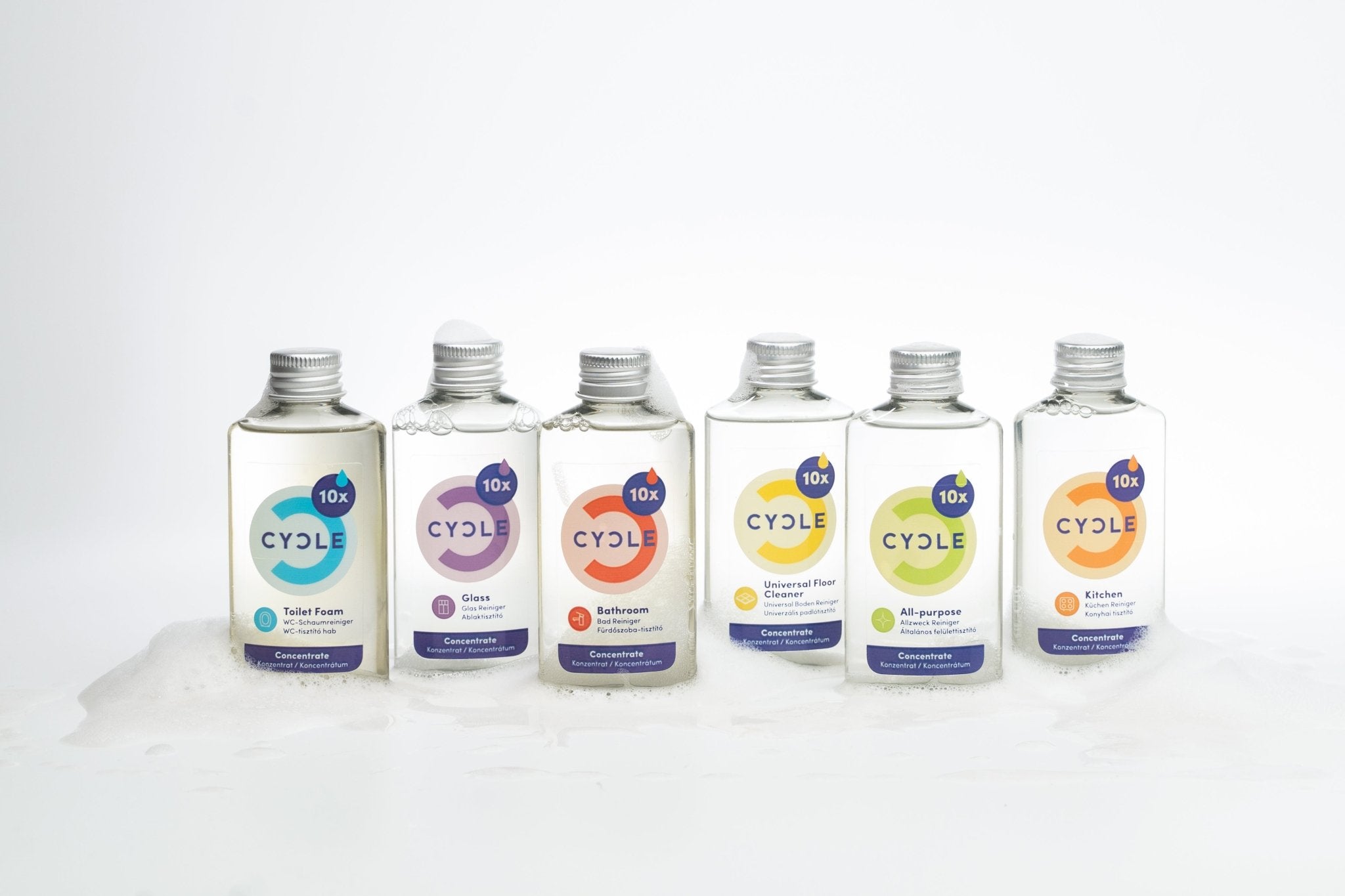
· an environmentally friendly cleaning product brand that combines: Cycle products
5. Foods and their packaging:
· choose fresh, minimally packaged foods
· avoid fast food and takeout packaging materials
Choose bottled products instead of canned goods
· package/store leftovers in glass, paper, reusable napkins, beeswax bags/cloths
Our hormonal system is very sensitive, and modern life is full of substances that silently and unnoticedly interfere with it. But the good news is that you are not helpless! With conscious choices, you can reduce the burden on your body, support your cycle, your hormonal balance, and if you are planning a baby, your fertility.
Dr. Nora Gallo
Dietitian, Cycle Ambassador